A massive storm erupted in the Sahara Desert, raising concerns about a 1,500-km-long dust wall
A massive 1500 kilometer wide dust storm named 'Haboob' has arisen in the Sahara Desert of North Africa, which is visible even from space.
 Staff Editor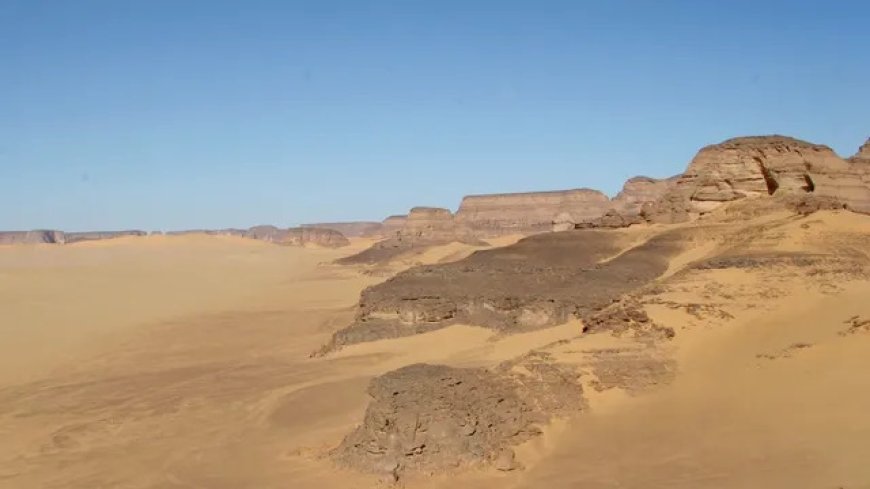
A massive dust storm has formed in the Sahara Desert in North Africa, stretching over 1,500 kilometers. This massive, wall-like dust storm is visible even from space.
Meteorologists have named it Haboob, a word derived from the Arabic word meaning "explosive wind" or "strong wind." Strong winds are lifting millions of tons of sand and mineral particles from the desert surface and spreading them into the atmosphere.
Recent satellite images have shown that Sahara dust is spreading across North Africa and far beyond. This storm is not only affecting desert areas, but has also darkened the atmosphere and severely reduced visibility.
The Dust Storm's Scope and Impact
This 1,500-kilometer-wide dust storm is larger than many countries. According to experts, the main wall of the storm remains within the desert, but the finest dust particles can travel thousands of kilometers. In recent weeks, Sahara dust has reached Spain, France, and Britain, and even spread over the Atlantic Ocean.
In some cases, this dust mixes with rain to form bloody rain, turning the rainwater reddish-brown. This increases the amount of dust particles in the atmosphere, increasing the risk of respiratory diseases.
What does this mean?
These dust storms are not just a dramatic weather phenomenon. Scientists track them because they affect air quality, weather changes, cloud formation, and global climate patterns. A recent NASA study found that heavy Sahara dust significantly reduces sunlight reaching solar panels, affecting solar power.
Furthermore, dust nourishes marine ecosystems. In the Atlantic, this dust provides nutrients that help plankton grow. But from a human perspective, it can prove harmful to children, the elderly, and those with respiratory problems.