In Japan, only men from the imperial family can become emperor, law passed
Japan's parliament has amended the 19th-century Imperial Family Law to make it clear that only male heirs can become emperor.
 Staff Editor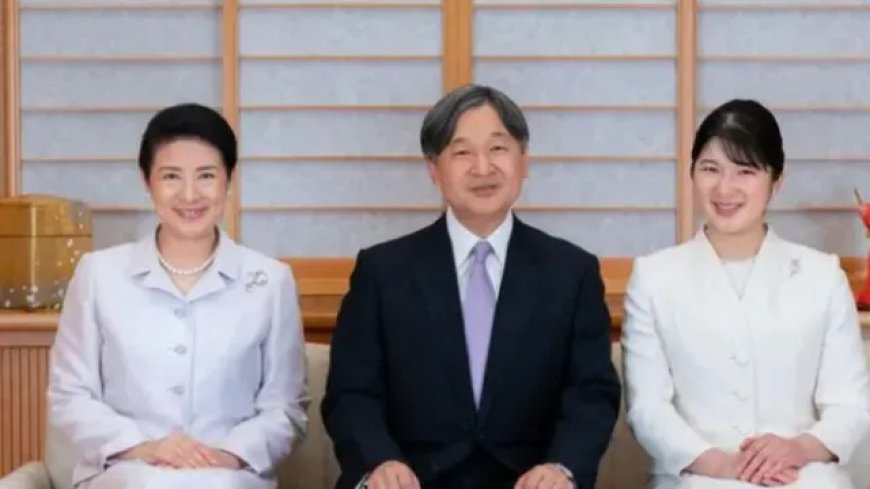
Japan's parliament on Friday passed historic amendments to the 19th century Imperial Family Law. This amendment makes it clear that only the male heirs of the royal family can become emperor. This has raised fears that the future of the already shrinking royal family may be in trouble.
The amendments passed by Parliament include adopting distant male relatives to create future heirs and allowing princesses to retain their royal status even after marrying commoners.
Imperial affairs watchers and experts fear the new rules could end the 1,500-year-old hereditary institution, as they emphasize that only male heirs can become emperor. This has increased concerns about the rapidly shrinking royal family and its aging members.
Princess Aiko is very popular, but will not be able to become the heir
Princess Aiko, the 24-year-old daughter of the current 66-year-old Emperor Naruhito, is very popular and many Japanese want her to become his successor, but because she is a woman, the princess is not eligible.
In Japan, only men are selected for succession, meaning the emperor's younger brother and his 19-year-old nephew, Prince Hisahito, will be in the line of succession. After him comes the Emperor's 90-year-old uncle.
Only one boy born in the royal family in four decades
Boys are highly prized in the imperial family and Hisahito is the only boy born in the last four decades. Of the 16 adult members of the royal family, only five are men and there are no children in the family.